What Is a Hotel PIP? Property Improvement Plans and Brand Compliance, Explained
If you own a franchised hotel, sooner or later the brand will hand you a Property Improvement Plan. It arrives as a PDF, it is typically long, and it is not a wish list. It is the scope of work you must complete to keep or renew your flag. Understanding what a PIP actually is — and what it is not — is the first step toward getting through one without wrecking the asset's cash flow.
What is a PIP?
A Property Improvement Plan is a formal document issued by a hotel brand — Marriott, Hilton, IHG, Hyatt, Choice, Wyndham, and their sub-brands — that lists exactly what an owner must renovate, replace, or upgrade for the property to remain in brand compliance. The scope is written against the brand's current prototype and standards. It covers everything from guestroom casegoods and lighting to public spaces, exterior signage, life-safety systems, and back-of-house.
The brand's leverage is the franchise agreement itself. The PIP is issued under the contract you already signed, and the deadline in the document is the deadline you agreed to when you took the flag.
Why do brands mandate PIPs?
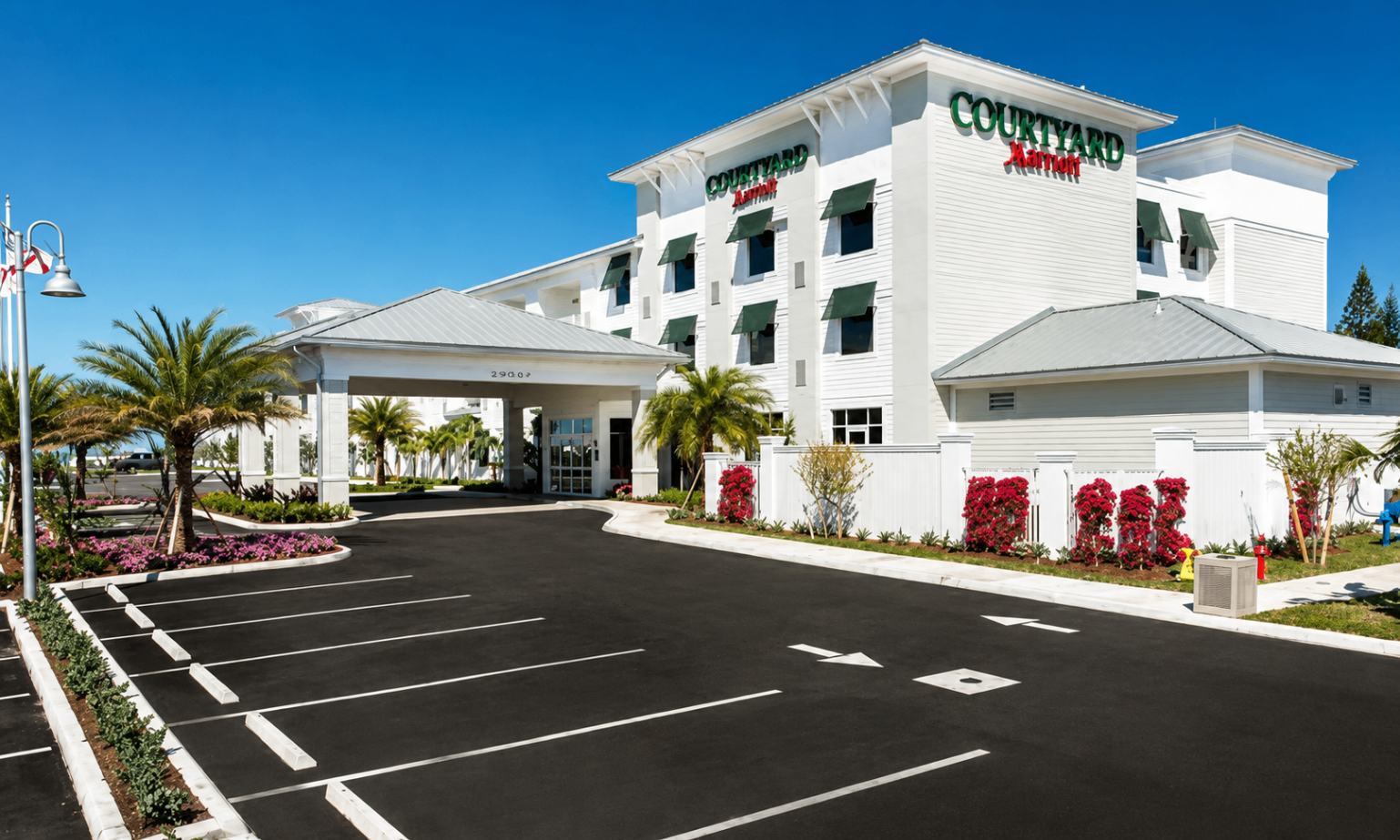
Brands sell consistency. A guest booking a Courtyard in Fort Myers expects the same product they had in Denver last week — same shower, same bedding, same lobby coffee experience. When prototypes evolve, the entire portfolio has to evolve with them, or the brand promise breaks. PIPs are the mechanism.
There are four common triggers: a franchise renewal, a change of ownership, a brand-wide prototype update, and periodic quality audits that find a property drifting out of compliance. Any of the four can put a PIP on your desk.
What is typically in the scope?
- Guestrooms: casegoods, seating, headboards, artwork, lighting, TVs, bathroom fixtures, tile, tubs and showers, plumbing trim, paint, flooring, window treatments.
- Corridors: carpet, wallcovering, artwork, lighting, signage, door hardware, and often ADA-related work.
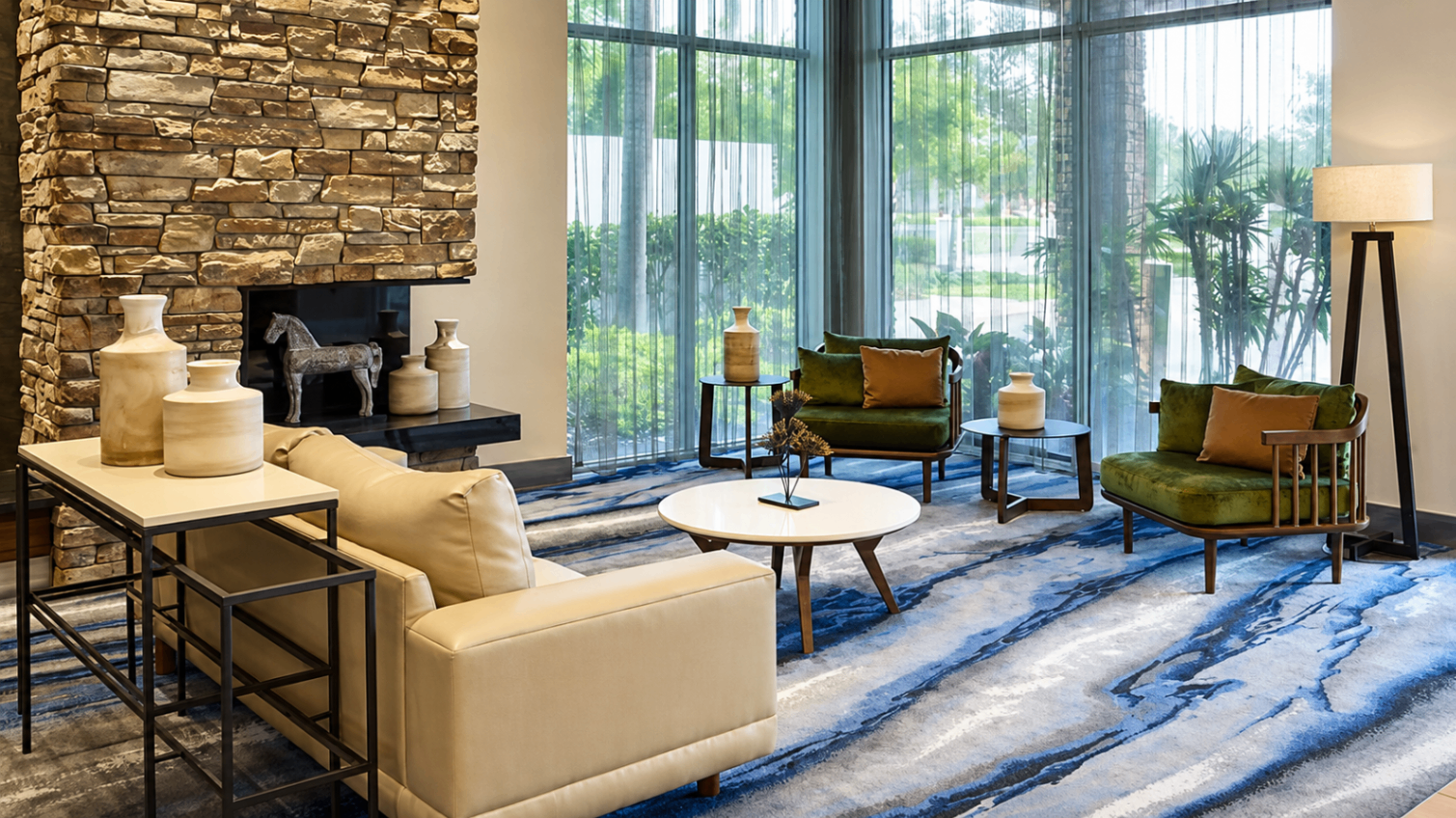
- Public spaces: lobby, front desk, market pantry, meeting rooms, restaurant and bar, fitness, and pool deck.
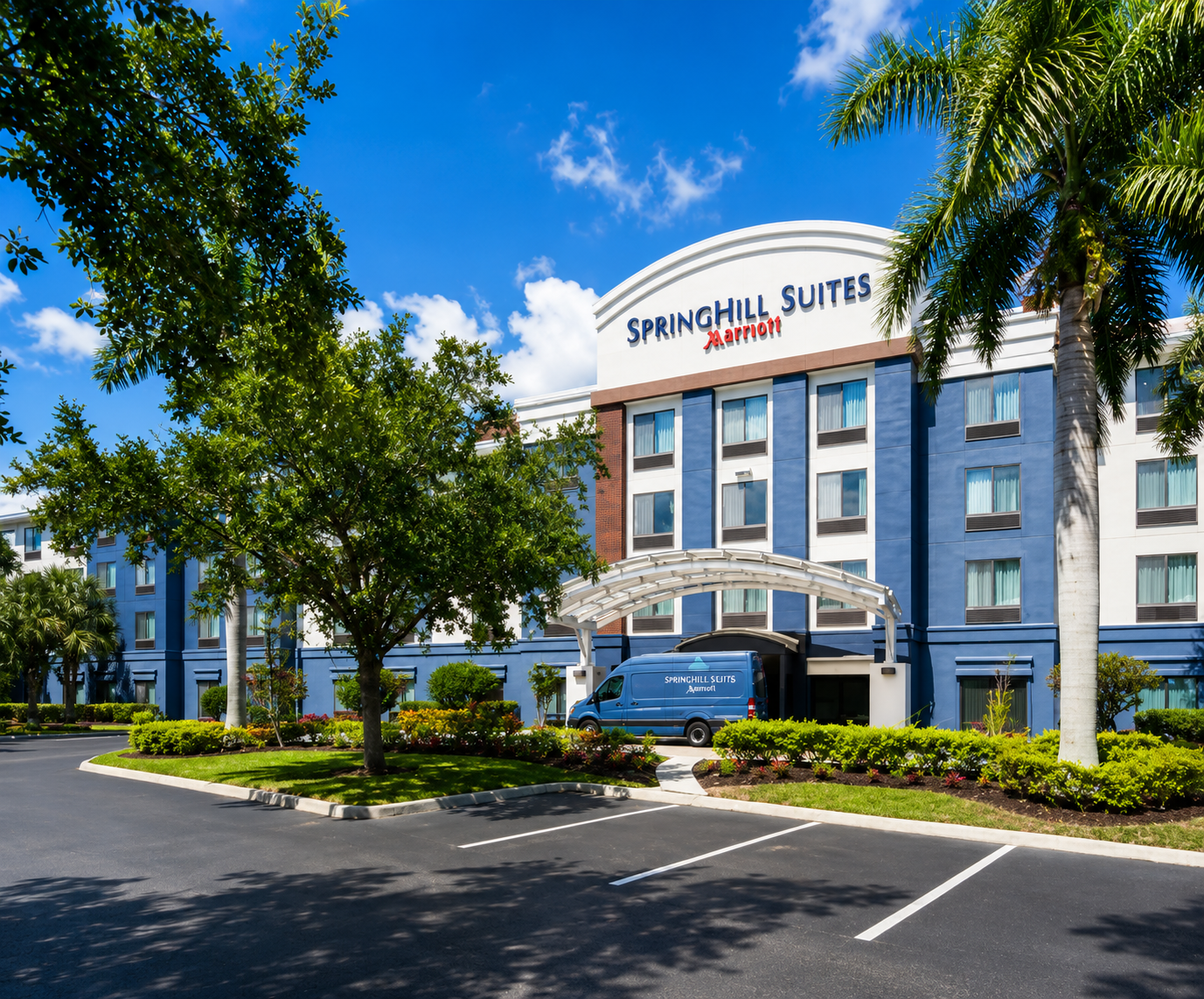
- Exterior: signage, porte-cochère, façade paint or refresh, landscaping, and parking lot repairs.
- Building systems: elevator modernization, HVAC replacements, life-safety upgrades, and Wi-Fi infrastructure.
- Back-of-house: laundry, kitchen equipment, storage, and any employee-facing spaces that guests indirectly experience.
Typical timelines
A PIP will come with a compliance deadline. The clock is real, and it is not usually generous. From receipt of the PIP, a typical execution timeline includes design and procurement (long-lead FF&E can run four to six months), permitting, and construction phased around the property's operating calendar. Guestroom-heavy scopes are usually phased floor by floor so the hotel stays open and continues to generate revenue.
The single biggest schedule risk is FF&E lead time, not construction. If casegoods, soft goods, and case-mounted bathroom fixtures are not ordered on day one against the compliance date, the whole schedule slips no matter how well the GC runs the site.
What happens if you ignore a PIP?
Missing a PIP deadline exposes the property to loss of the franchise agreement. Without the flag, the hotel loses brand distribution, loyalty program access, and — critically — its valuation multiple. Most independent hotels trade at meaningfully lower multiples than flagged ones, so an unflagged sale is often a fire sale.
Before that outcome, brands typically escalate: notices of default, quality assurance downgrades, and in some cases termination of the franchise. Lenders also pay close attention. If a hotel is financed with a loan that requires the franchise to remain in place, defaulting on the PIP can be a default on the loan.
How to approach a PIP the right way
- Read the PIP end to end with your GC and designer the week it arrives. Ambiguities and open items get faster answers before the brand's PIP contact moves on.
- Lock the FF&E schedule to the compliance deadline before construction is priced. Long-lead items drive everything.
- Phase the work to protect revenue. On most PIPs, a phased occupied renovation costs less in total than a full closure once lost revenue is included.
- Budget for the scope that is written, not the scope you wish were written. Change orders trying to reduce brand requirements almost never win.
The bottom line
A PIP is a construction project, a procurement project, and a hospitality operations project happening at the same time. Ownership groups that treat it as all three — and hire teams that can coordinate all three — hit the deadline, keep the flag, and finish with an asset worth more than it was going in.
Planning a project?
From brand-mandated hotel renovations to structural restorations, BellTower Associates delivers complex commercial projects on time and on budget across Florida.
When a brand mandates a PIP, we handle the renovation work it calls for.
Request a Bid